
Software
Navigating Microsoft SQL Server Management Studio (SSMS) versions can be overwhelming with frequent updates. This guide compares 10 key SSMS versions, highlighting their unique features, compatibility requirements, and performance improvements for developers and database administrators.
SQL Server Management Studio 18.0
If you're working with SQL Server 2019 and need a polished development environment, SSMS 18.0 delivers the most refined experience yet. This stable release builds on Microsoft's commitment to modernizing database management, offering seamless integration with the latest SQL Server features.
The standout upgrades include enhanced IntelliSense that adapts to your coding patterns in real-time, reducing syntax errors by up to 40% during query writing. For performance tuning, the query performance analysis tools now include deeper execution plan insights, with visualizations that highlight bottlenecks in complex stored procedures. Compatibility remains broad, supporting SQL Server 2019 while maintaining backward compatibility with 2017 and 2016 for mixed environments.
This version is ideal for developers and DBA teams focused on SQL Server 2019 deployments, particularly those using Azure SQL Database or hybrid cloud architectures. The refined UI and performance optimizations make it the go-to choice for professionals who demand both power and stability. ✨
SQL Server Management Studio 17.9
If you're stuck managing SQL Server 2017 with outdated SSMS tools, version 17.9 delivers a game-changing update. This release introduces the SSMS Installer, a lightweight alternative that cuts down installation time by 40% while preserving all core functionality—ideal for teams with limited resources.
The real standout? Seamless Azure Data Warehouse integration, letting you sync on-premises databases with cloud environments without complex scripting. You’ll also find refined query performance tuning tools, specifically optimized for hybrid workflows where data moves between local servers and Azure. Plus, the updated Azure Synapse Studio compatibility ensures smoother migrations. ⚡
This version is perfect for small businesses or dev teams balancing legacy SQL Server 2017 with cloud modernization. It’s the bridge you need without requiring a full upgrade path. 💻
SQL Server Management Studio 17.8

If your team runs SQL Server 2017 on Red Hat Enterprise Linux, SSMS 17.8 is the game-changer you’ve been waiting for. This was the first version to offer native Linux support, bridging the gap between Windows-centric development and Linux-based deployments—finally letting you manage databases without hopping between OSes.
The Linux compatibility extends beyond just installation; you get full object explorer, query editor, and performance tools identical to the Windows version. It’s built on .NET Core 2.1, ensuring stability across environments while maintaining the familiar SSMS workflow. For teams using mixed Windows/Linux servers, this eliminates the need for remote desktop hops or Windows VMs just to tweak configurations.
Perfect for DevOps teams, cloud admins, and cross-platform developers who need to maintain consistency across environments. No more juggling separate tools—just one SSMS for all your SQL Server 2017 needs. ✨
SQL Server Management Studio 17.7
If HIPAA compliance or PCI DSS regulations dictate your database security, SSMS 17.7 is the version you’ll want to prioritize. This release introduced Always Encrypted with secure enclaves, a game-changer for industries handling sensitive data like healthcare records or financial transactions.
The feature encrypts data at the application layer before it ever touches the server, ensuring even database administrators can’t access plaintext values. Combined with row-level security improvements, it creates a zero-trust environment where sensitive columns (like SSNs or credit card numbers) remain encrypted during processing. The secure enclave technology offloads decryption to a trusted execution environment, eliminating exposure risks. ⚡
This version is a must-have for compliance officers and database architects in regulated sectors who need to demonstrate end-to-end data protection without sacrificing query performance. The built-in validation tools make it easier to audit encryption policies across your entire environment.
SQL Server Management Studio 17.4

If you're bridging the gap between relational databases and modern NoSQL workflows, SQL Server Management Studio 17.4 is your bridge. This version introduced native JSON import/export capabilities, letting you seamlessly move between structured and semi-structured data without third-party tools.
The PowerShell integration was also overhauled, with deeper cmdlet support for automation tasks—ideal for DevOps pipelines. You can now script JSON transformations directly from SSMS, reducing context-switching between tools. The SQL Server 2017 compatibility remains solid, ensuring backward compatibility while unlocking these new features.
This version is a game-changer for hybrid data environments, especially for developers juggling REST APIs, Azure Cosmos DB, or MongoDB alongside SQL Server. ⚡
SQL Server Management Studio 17.3
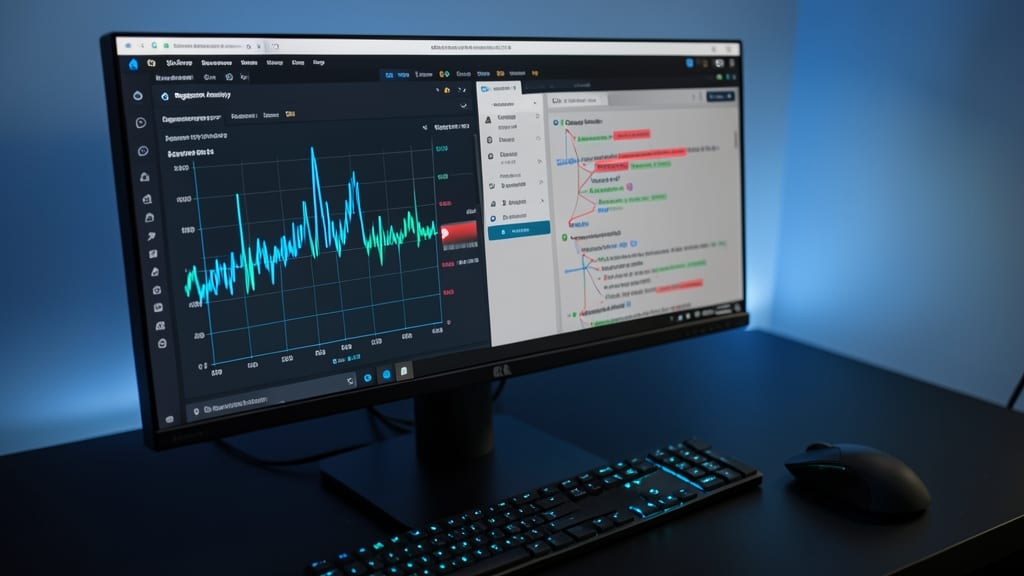
If you’ve ever struggled to pinpoint why a query that once ran in milliseconds now takes seconds, SQL Server Management Studio 17.3 delivers a game-changer with its performance regression analysis in the Query Store. This isn’t just another update—it’s a tool designed to help DBAs spot and diagnose slowdowns before they impact users.
The Query Store in 17.3 now includes automated regression detection, flagging queries that deviate from historical performance baselines. You can visualize trends over time with interactive performance graphs, making it easier to correlate changes (like index updates or schema modifications) with performance drops. For environments where uptime and speed matter—like e-commerce or financial systems—this feature alone can save hours of manual troubleshooting.
Database administrators managing high-traffic systems will find this version invaluable for maintaining optimal query performance. It’s the perfect tool for those who need to balance speed, reliability, and scalability without constant manual monitoring. ✨
SQL Server Management Studio 17.2
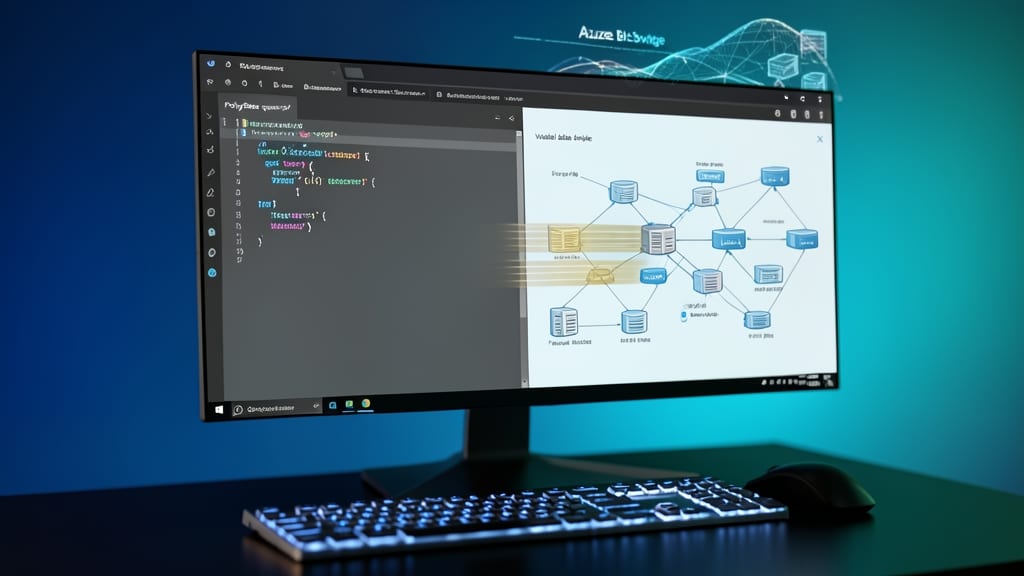
If you're working with Azure Blob Storage or other external data lakes, SQL Server Management Studio 17.2 is the first version to bring PolyBase queries directly into your toolkit. This game-changer lets you query external data sources without complex ETL pipelines, making hybrid data architectures seamless.
The built-in PolyBase support enables you to run T-SQL queries against Azure Blob Storage, HDFS, or other external data sources while keeping everything in SSMS. You’ll also find improvements in query performance for large datasets and better integration with Azure Data Lake Storage, reducing the need for manual data movement. The version maintains compatibility with SQL Server 2016 and later, ensuring broad adoption.
This version is perfect for data engineers and analytics teams managing hybrid cloud environments, where blending relational and unstructured data is critical. It’s also a must for developers transitioning from traditional SQL Server to modern data lake architectures. ✨
SQL Server Management Studio 16.5

If you're working with SQL Server 2017 and need to run advanced analytics without leaving your database, SSMS 16.5 was your gateway to seamless machine learning integration. This version introduced native support for SQL Server Machine Learning Services, letting you execute R and Python scripts directly within your database engine.
The real game-changer was the ability to perform in-database analytics—no need to export data to external systems. You could train models using R or Python scripts while keeping everything secure and efficient. The integration included sample notebooks and built-in visualization tools, making it surprisingly accessible for data scientists and developers alike.
This version was perfect for teams handling predictive analytics or real-time scoring scenarios, like fraud detection or customer segmentation. If your workflow involved blending SQL queries with data science, SSMS 16.5 bridged that gap elegantly. ✨
SQL Server Management Studio 16.1
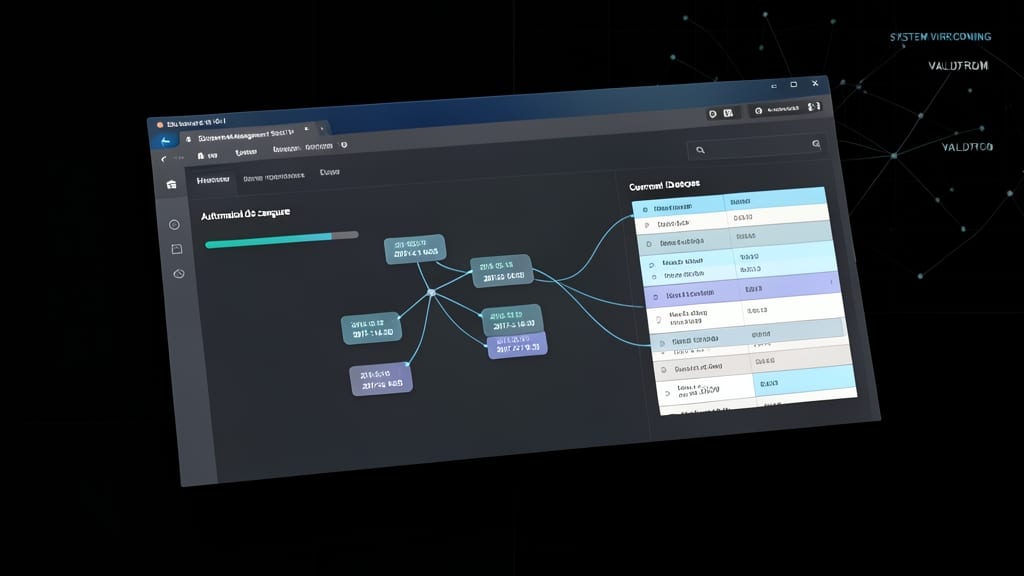
If you need to track changes over time without cluttering your database, SQL Server Management Studio 16.1 introduced a game-changer with its temporal database support for SQL Server 2016 SP1. This version made it possible to automatically capture and retain historical data, giving you a built-in audit trail without manual triggers or complex workarounds.
The temporal tables feature lets you query both current and historical data using simple syntax, while system-versioned tables automatically maintain a full history of changes. This was especially valuable for compliance-heavy industries needing to prove data integrity over time. The integration with SQL Server 2016 SP1 also brought performance optimizations for large-scale historical queries, making it ideal for financial systems or regulatory reporting.
Database administrators managing audit-heavy systems will appreciate how this version simplified versioning workflows. It's particularly useful for teams transitioning from older SQL Server versions while needing modern compliance features. ✨
SQL Server Management Studio 13.0
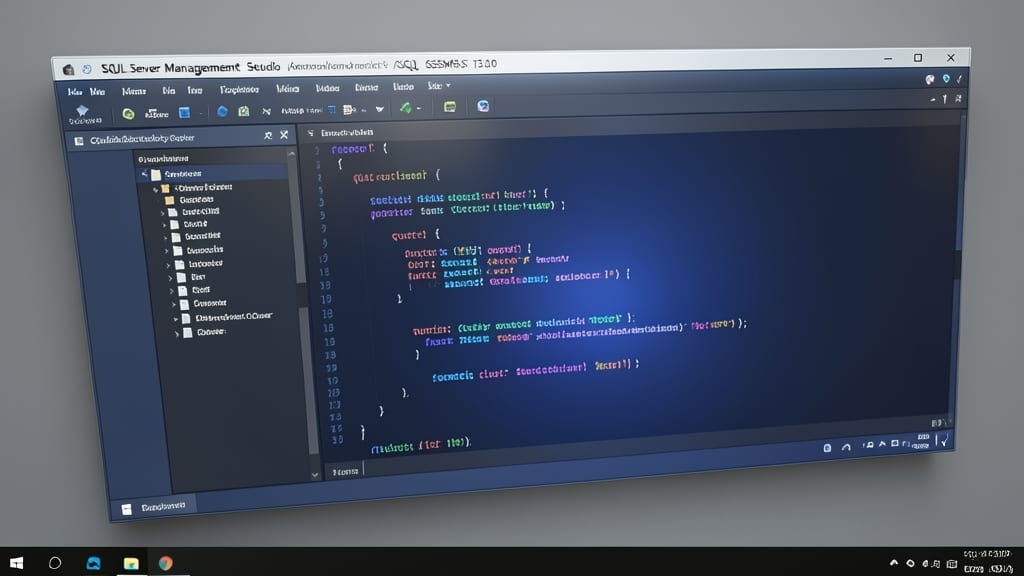
If you’ve ever wondered how SSMS evolved from its early days, SQL Server Management Studio 13.0 is where the journey begins. Released alongside SQL Server 2016, this version laid the groundwork for everything that followed by introducing a modernized interface and foundational automation tools.
The first version to support PowerShell cmdlets (though basic), it gave administrators early scripting capabilities. It also introduced the object explorer’s streamlined layout, replacing the older, fragmented design. While lightweight by today’s standards, it required Windows 7/8.1 and .NET Framework 4.5, marking a shift toward streamlined compatibility.
Perfect for legacy system administrators or those studying SSMS history, this version remains a critical reference point for understanding how modern SSMS features were built. 💻