
Tip & Trick
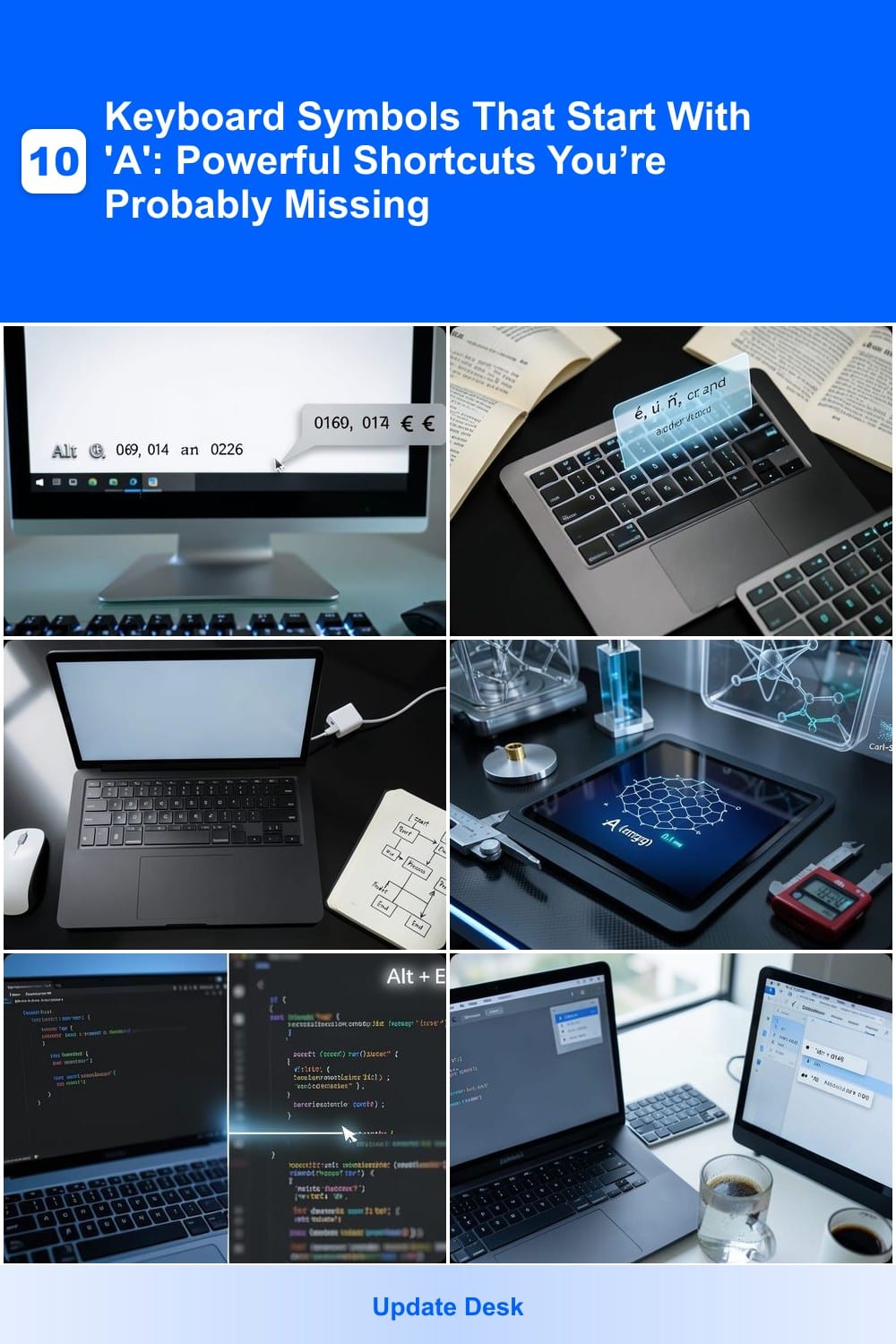
Mastering keyboard shortcuts can transform your productivity—but many overlook the powerful symbols starting with 'A'. These 10 underrated symbols help you navigate software faster, format text precisely, and unlock hidden features across Windows, Mac, and Linux systems.
Alt Code Symbols for Special Characters
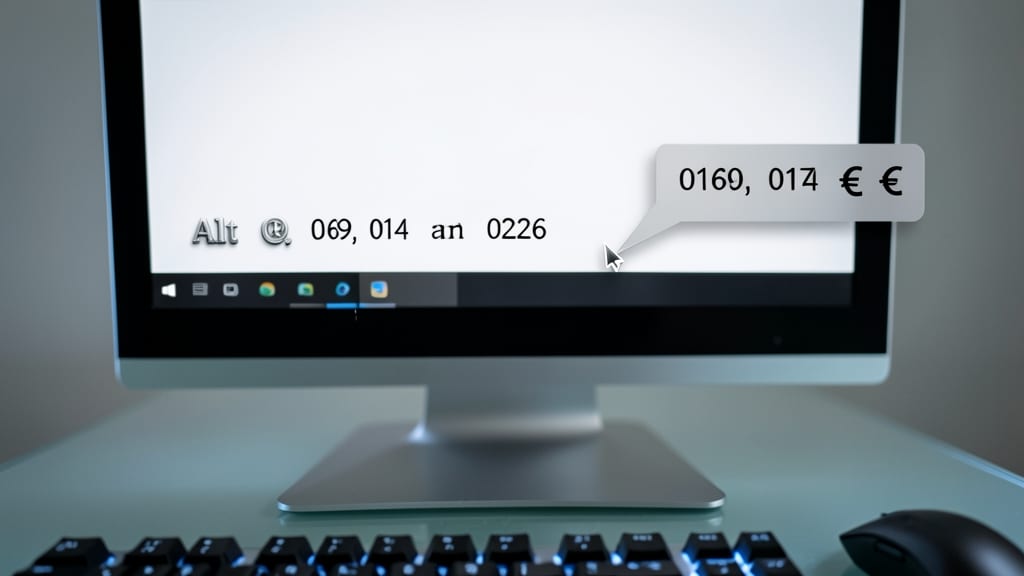
Tired of digging through character maps for symbols like ©, ®, or €? Windows Alt codes let you insert them instantly by holding Alt, typing a numeric code, then releasing—no menu diving required.
Type Alt + 0169 for the copyright symbol (©), Alt + 0174 for the registered trademark (®), or Alt + 0128 for the euro sign (€). These codes work in Word, Excel, coding files, and even legal documents, saving time when precision matters most.
Perfect for lawyers, developers, or anyone who frequently uses special characters—just memorize a few codes, and you’ll never waste time searching again. ⚡
Accented Letters Using Dead Keys
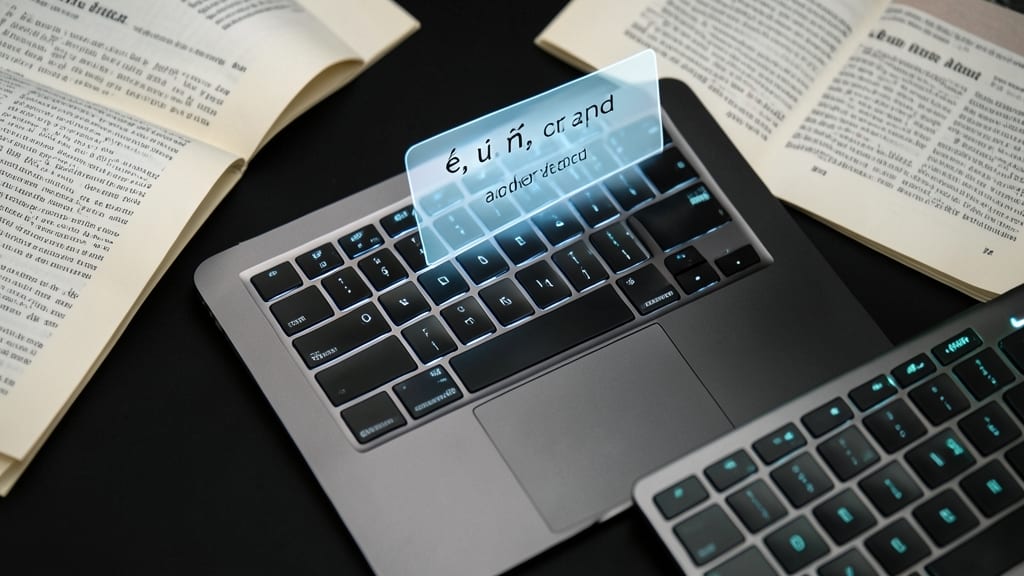
If you type in multiple languages or work with foreign documents, dead keys on Mac and Linux are your secret weapon. Instead of switching layouts, simply press Option + A before a vowel to instantly create é, ü, ñ, or other accented letters—no extra steps needed.
This zero-config method works across apps like Google Docs, Notepad++, or even terminal commands. For example, Option + E + I gives you ï, while Option + U + O produces ö. The system recognizes dead keys globally, so you’ll never miss a character in a hurry.
Perfect for translators, developers documenting multilingual code, or students writing in Spanish, French, or German. No layout switching—just pure, fast typing. ✨
Arrow Symbols for Diagrams and Flowcharts

Need to create a flowchart or diagram in seconds? The arrow symbols (↑, ↓, ←, →) are your secret weapon—no symbol library required. Simply press Alt + arrow key on Windows or Option + Shift + arrow key on Mac to insert them instantly.
These four directional arrows work seamlessly in PowerPoint, Excel, Visio, and even Word, letting you map processes, highlight connections, or annotate slides without fumbling through menus. The shortcuts are intuitive, platform-consistent, and save minutes when drafting visuals on the fly.
Perfect for project managers, educators, and designers who frequently sketch workflows or brainstorm layouts. Master these, and your diagrams will look polished in half the time! ✨
Angstrom Unit Symbol in Technical Writing

For scientists and engineers, precision matters—especially when discussing atomic-scale measurements. The Å (angstrom) symbol represents 0.1 nanometers, a standard unit for describing bond lengths, crystal structures, and molecular distances. Typing it manually as "angstrom" wastes time and risks formatting errors, but Alt + 8530 on Windows inserts it instantly.
This symbol isn’t just for lab reports—it’s also used in material science papers, quantum physics equations, and even nanotechnology documentation. The Unicode standard (U+212B) ensures compatibility across platforms, while LaTeX users can type \text{Å} for seamless integration. No more hunting for fonts or copy-pasting!
Perfect for researchers, programmers working on computational chemistry, or anyone documenting microscopic-scale data. Master this shortcut to save hours in technical writing. ✨
Automatic Line Breaks in Coding
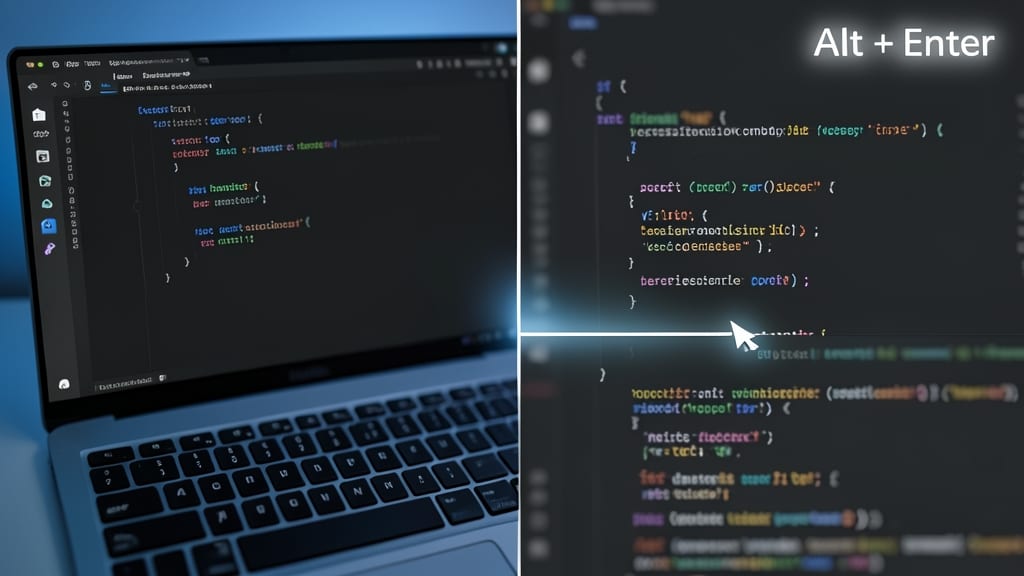
Tired of cluttering your code with extra spaces just to force a line break? The Alt + Enter shortcut in VS Code or Sublime Text lets you insert a clean, hard line break without adding unnecessary whitespace—keeping your codebase pristine and readable.
This zero-config trick works instantly in most editors: simply place your cursor where you want the break, press Alt + Enter, and watch your code snap into place. It’s especially useful for Markdown files, JSON configurations, or Python docstrings where formatting matters. No more wrestling with manual indentation or hidden characters.
Developers and technical writers who prioritize clean, maintainable code will love this shortcut—it’s a game-changer for collaborative projects where every character counts. ⚡
Asterisk Symbols for Bullets and Notes

Tired of manually typing "•" for bullets or "1." for lists? The asterisk symbols (Alt + 0149 for bullets, Alt + 0150 for numbered lists on Windows) and Option + 8 (Mac) are your secret weapon for instant formatting in notes, docs, or code comments.
These shortcuts work seamlessly in OneNote, Evernote, Markdown files, and even plaintext—no need to hunt through symbol menus. The bullet point (•) is perfect for to-do lists, while the numbered list (1., 2.) keeps your notes organized without extra clicks. Best of all, they’re platform-specific but universally useful.
Students, project managers, and developers will love how these symbols speed up note-taking and documentation. No more breaking focus to format—just type and go. ✨
At Symbol for Email and Programming

The @ symbol isn’t just for emails—it’s a programming wildcard hiding in plain sight. While you type Shift + 2 daily for usernames or JSON keys, this same symbol can supercharge file searches in Linux/Unix terminals with file@.txt (matching any text before the extension).
Beyond emails and code, the @ symbol also marks HTML entities (© → ©) and regex patterns for precise text matching. On Windows, it’s the default username separator in paths like C:\Users\@username\, while in Slack/Discord, it tags users instantly. Few realize its dual-purpose flexibility across systems.
Developers and sysadmins will love this for scripting, while casual users can speed up file searches without third-party tools. Master this, and you’ll type smarter in every workflow. ✨
Alpha Symbol in Mathematics and Physics
Struggling to type the α symbol for equations without digging through fonts? This Greek letter—pronounced "alpha"—is the backbone of physics formulas, statistical notation, and LaTeX documents, yet most people don’t know how to insert it directly.
On Windows, press Alt + 945 (numeric keypad) to get α instantly, while Mac users can type it with Option + A. It’s widely used in Excel formulas (e.g., =SUM(α1:α10)), scientific papers, and even programming (e.g., α = 0.05 for significance thresholds). No more copy-pasting from fonts or hunting for Unicode menus.
Perfect for students, engineers, and data analysts who work with mathematical notation daily. Master this shortcut, and you’ll save minutes every time you draft a formula. ✨
Align Symbols for Text Formatting

Struggling with misaligned text in Word or InDesign? The non-breaking space (Alt + 0160 on Windows or Option + Space on Mac) is your secret weapon—it prevents awkward line breaks between words like "Mr. Smith" or "e-mail." Pair it with the ® symbol (Alt + 0174), and you’ll never manually insert registered trademarks again.
These symbols work seamlessly in CSS, LaTeX, and HTML too—just paste them directly into your code. The non-breaking space even fixes spacing issues in web design when combining elements like logos and text. For Mac users, Option + Space is a one-tap shortcut for instant precision.
Perfect for designers, copywriters, and developers who need pixel-perfect text alignment without manual tweaks. Your documents will look polished in seconds! ✨
Anchor Symbol for Hyperlinks and Coding

The # symbol might seem simple, but it’s the backbone of modern digital communication—from social media hashtags to HTML anchors and regex patterns. Typing it is easy (Shift + 3), but its versatility often goes unnoticed by casual users.
In coding, it defines HTML IDs (Jump) and regex character classes (#.*). On social platforms, it organizes content by topic, while in URLs, it triggers fragment navigation (e.g., example.com#contact). Developers also use it to comment out code blocks in languages like Python or JavaScript.
Content creators and developers will find this symbol indispensable for quick navigation and pattern matching, while marketers rely on it for trend tracking. Mastering its uses can shave minutes off daily workflows. ✨