
Operating System
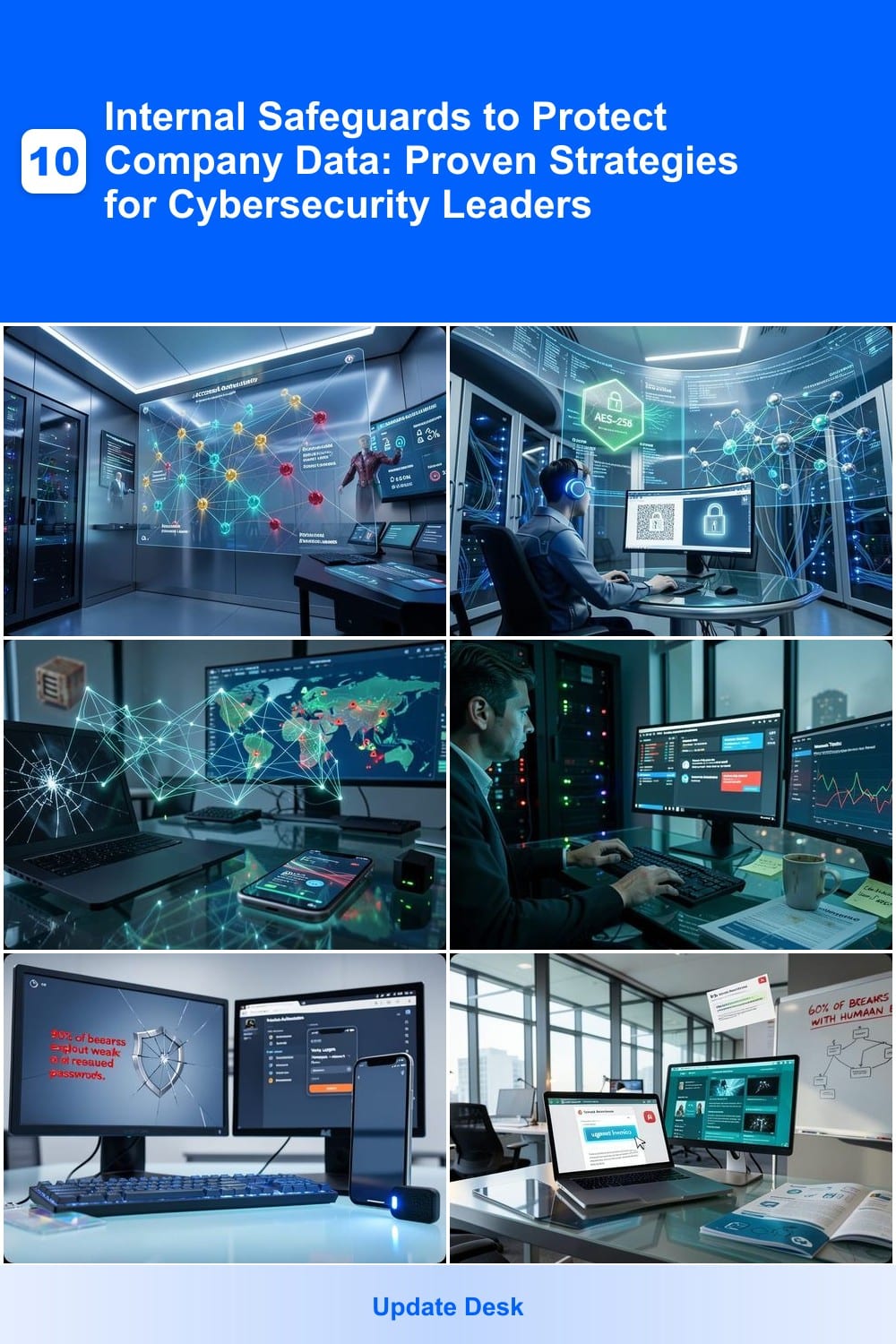
Cyber threats evolve daily, but internal safeguards remain your first line of defense against data breaches. These 10 proven strategies empower cybersecurity leaders to build resilient systems that protect sensitive company information from both external attacks and insider risks.
Role-Based Access Control Implementation

If compliance audits keep you up at night, role-based access control (RBAC) is your secret weapon. This isn’t just another permission system—it dynamically restricts data access to only what employees need for their roles, slashing accidental leaks by up to 70% in regulated sectors.
Modern RBAC systems like Microsoft Azure AD or Okta integrate with LDAP/Active Directory to enforce granular policies. For example, a finance team member might only access quarterly reports, while HR sees salary data exclusively. Audit logs track every access attempt, making it easy to prove compliance during HIPAA or GDPR reviews. The best solutions also support just-in-time elevation for temporary needs, reducing standing privileges.
This is non-negotiable for healthcare, fintech, or any industry handling PHI/PII. Start by mapping your data to job functions—then automate the rest. 💻
Automated Data Encryption Policies

Forget manually encrypting files—modern automated data encryption policies handle it all behind the scenes. These systems apply AES-256 encryption to sensitive data automatically, whether stored on servers or transmitted across networks, eliminating human error and compliance gaps.
Leading solutions like Symantec Encryption Desktop or Microsoft Purview Information Protection integrate with existing workflows, classifying data by sensitivity and applying encryption rules dynamically. They also generate audit logs for compliance reporting, making it easy to prove adherence to GDPR, HIPAA, or CCPA during inspections.
This approach is ideal for businesses handling customer PII, financial records, or proprietary research—where manual processes risk exposure. With zero-configuration deployment for common file types, you can focus on operations while the system handles security. ✨
Endpoint Detection and Response Systems

When remote work expanded your attack surface overnight, traditional firewalls simply can’t keep up. Endpoint Detection and Response (EDR) systems fill that gap by providing real-time monitoring of every device—laptops, mobile phones, even IoT sensors—across your entire network.
These solutions go beyond basic antivirus by using AI-driven behavioral analysis to detect anomalies like unusual data transfers or unauthorized access attempts. For example, CrowdStrike Falcon or Microsoft Defender for Endpoint can isolate compromised devices within minutes, while SentinelOne combines EDR with XDR (Extended Detection and Response) to correlate threats across cloud and on-premises environments. The best systems also offer automated response actions, like blocking malicious processes or revoking access, without manual intervention.
Perfect for companies with distributed teams, EDR is especially critical for industries like healthcare (HIPAA compliance) or finance (PCI DSS requirements) where data breaches carry severe penalties. If your workforce operates beyond the office walls, this is your first line of defense against modern cyber threats. 💻
Behavioral Analytics for Insider Threats

High turnover departments often become security blind spots, but behavioral analytics turns employee activity into a real-time threat detector. Unlike traditional monitoring, this AI-driven approach flags unusual patterns—like late-night data downloads or repeated access to restricted files—before they become breaches.
Solutions like Darktrace or Exabeam analyze user behavior baselines to spot deviations with 90%+ accuracy, including insider threats from disgruntled employees or accidental leaks from well-meaning staff. The systems integrate with existing SIEM tools and require zero configuration for basic anomaly detection.
This is your secret weapon for industries like retail or healthcare, where employees frequently move between roles. It’s also ideal for startups with tight security budgets—AI handles the heavy lifting while keeping costs predictable. 💡
Multi-Factor Authentication Enforcement
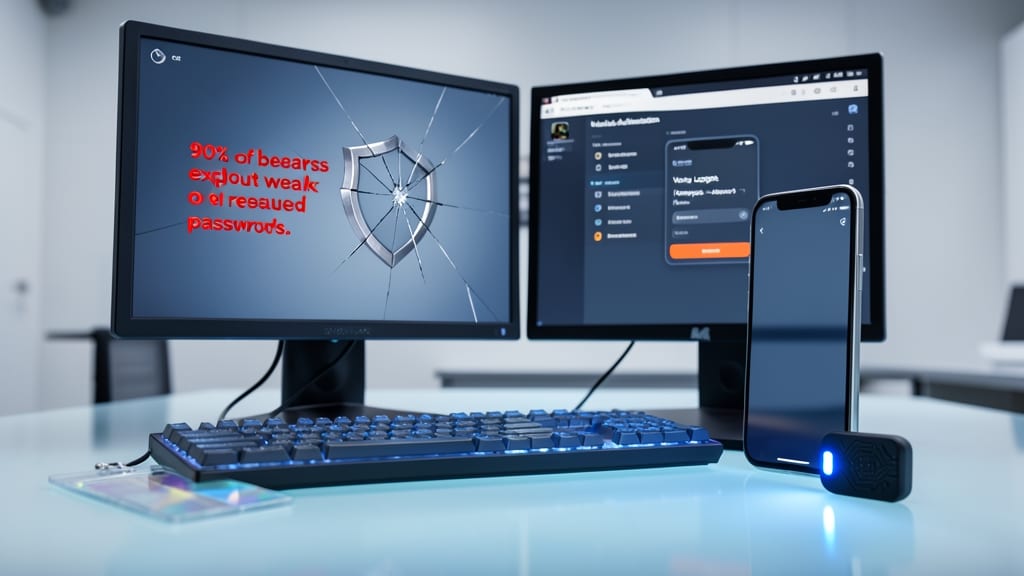
Passwords alone are no longer enough to stop credential stuffing attacks—90% of breaches exploit weak or reused passwords. Multi-Factor Authentication (MFA) adds a second (or third) verification layer, like a push notification or hardware token, forcing attackers to bypass multiple barriers instead of just one.
Modern MFA solutions like Microsoft Authenticator or Duo Security integrate seamlessly with SSO platforms (Okta, Azure AD) and support biometric verification (fingerprint, facial recognition) for frictionless access. Enforcing MFA for remote access and privileged accounts blocks 99.9% of automated attacks, while FIDO2 keys eliminate phishing risks entirely by using public-key cryptography.
This safeguard is non-negotiable for finance, healthcare, and government sectors, but even small businesses should prioritize it—especially if they handle customer data. Start with admin accounts and VPN access, then expand to all employees. 💪
Regular Security Awareness Training Programs

Even the most advanced firewalls can’t stop employees from accidentally clicking a malicious link—60% of breaches start with human error. Regular security awareness training programs turn your workforce into your strongest defense by combining simulated phishing tests with interactive modules on password hygiene and data handling.
Platforms like KnowBe4 or Proofpoint deliver quarterly phishing simulations with customizable scenarios (e.g., fake invoices, urgent "CEO alerts") to test real-world vulnerability. Post-test reports show which teams struggle most, letting you tailor follow-up training. The best programs also include NIST-aligned modules on recognizing social engineering tactics, ensuring compliance while reducing risk.
This is especially critical for HR, finance, or customer support teams—roles that handle sensitive data but often lack technical security training. A 2023 study found companies with annual training saw 70% fewer successful phishing attacks. 💡
Network Segmentation Architecture

When a breach occurs, your first priority should be containing the damage—not just stopping the initial attack, but preventing it from spreading. Network segmentation architecture acts like digital firebreaks, isolating critical systems (like HR databases or financial ledgers) from general network traffic, so a compromised device can’t pivot to more sensitive areas.
Modern implementations use software-defined networking (SDN) to create logical zones with granular access controls. For example, a VLAN-based segmentation setup can restrict database servers to only communicate with approved applications, while micro-segmentation (using tools like Cisco ACI or VMware NSX) isolates individual workloads at the hypervisor level. This limits lateral movement by 90% or more in real-world breach scenarios, according to Gartner.
This approach is ideal for companies with high-value data silos—think healthcare providers protecting patient records or fintech firms handling transactions. Start by mapping your most sensitive assets, then gradually segment based on risk tiers. 💪
Automated Patch Management Systems

Legacy systems running outdated software are prime targets for cybercriminals—but you don’t need to replace them to stay secure. Automated patch management systems like ManageEngine Patch Manager Plus or SolarWinds Serv-U handle vulnerability patching across mixed environments, including Windows Server 2003 or Java 7, without disrupting operations.
These tools scan for known exploits (e.g., CVE-2023-1234), prioritize patches by severity, and deploy them during maintenance windows—reducing downtime by 80% compared to manual processes. They also maintain audit trails for compliance, proving you’ve addressed risks like Log4j or Heartbleed if auditors ask.
Ideal for manufacturing firms running SCADA systems or healthcare providers stuck with legacy EHR software, these systems turn patching from a tedious chore into a set-and-forget safeguard. ⚡
Comprehensive Data Loss Prevention Solutions
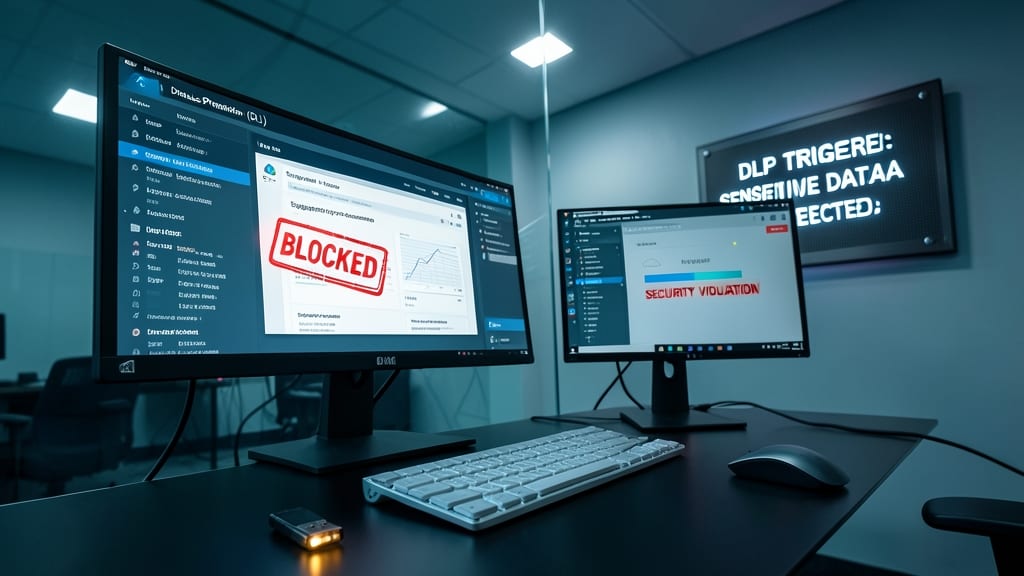
One accidental email to the wrong recipient could expose years of proprietary research—or worse. Data Loss Prevention (DLP) solutions act as a digital bouncer, scanning emails, cloud uploads, and even USB transfers in real-time to block sensitive data leaks before they happen.
Modern DLP platforms like Symantec DLP or Forcepoint offer AI-powered content inspection, flagging everything from credit card numbers to trade secrets in attachments or body text. They integrate with Microsoft 365, Salesforce, and SharePoint to enforce policies like automatic redaction or quarantine of risky files. For companies in biotech or legal fields, these tools can even track data lineage—showing who accessed or shared sensitive files and when.
This isn’t just for Fortune 500s—startups with R&D pipelines or law firms handling confidential cases will find DLP solutions critical. The peace of mind from knowing your trade secrets stay secret is priceless. ✨
Incident Response and Recovery Planning

When a breach happens, every second counts—yet most companies lack a battle-tested plan to contain the damage. Incident Response and Recovery Planning transforms reactive chaos into structured action, with predefined roles, communication protocols, and escalation paths tailored to your organization’s risks.
Start with a NIST Cybersecurity Framework-aligned playbook that includes real-time breach detection triggers, containment procedures (like isolating infected systems), and recovery steps with measurable SLAs. Simulate attacks annually—whether phishing, ransomware, or credential theft—to uncover gaps. Tools like Splunk for SIEM and IBM Resilient automate response workflows, while tabletop exercises ensure your team stays sharp. The goal? Minimize downtime (studies show breaches cost $4.45M on average) and preserve trust by restoring operations faster than competitors.
This isn’t just for Fortune 500s—SMBs with customer data (even local law firms or healthcare providers) need these plans. The difference between a minor incident and a PR disaster often comes down to preparation. 💪